Choose "Make this ad premium" at checkout.
What is the Correct Order of Steps in the Sterile Processing Cycle? London
- Location: Greater London, London, London, United Kingdom
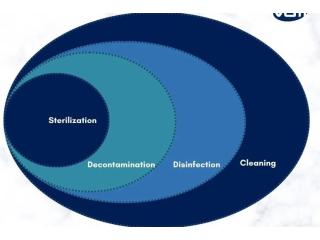
The sterile processing cycle is a fundamental process in healthcare that ensures surgical instruments and medical devices are properly cleaned, disinfected, and sterilized before use. Understanding this cycle is critical for maintaining patient safety and preventing infections. A sterile processing technician plays a vital role in this process, following precise steps to ensure all instruments meet rigorous safety standards. The Sterile Processing Technician Course is designed to equip learners with the knowledge and skills needed to excel in this field, offering both theoretical understanding and practical experience.
Sterile processing involves a systematic sequence of procedures that must be adhered to meticulously. From the initial receipt of soiled instruments to their final sterilization and storage, each stage is crucial. Technicians must understand the proper handling, cleaning, and inspection techniques to avoid contamination. Completing the Sterile Processing Technician Course helps learners develop the competence to manage these responsibilities effectively, preparing them for real-world healthcare environments.
Step 1: Decontamination
The first and arguably most critical stage of the sterile processing cycle is decontamination. This step involves the removal of gross debris, blood, and other contaminants from surgical instruments. Instruments are typically pre-soaked, cleaned using enzymatic detergents, and then rinsed thoroughly. Decontamination reduces the microbial load and prepares instruments for further cleaning and sterilization.
During this stage, sterile processing technicians must wear proper personal protective equipment (PPE) to safeguard against exposure to infectious materials. Meticulous attention is required to ensure that all areas of the instruments, including hinges and serrated edges, are thoroughly cleaned. The Sterile Processing Technician Course provides comprehensive guidance on decontamination procedures, ensuring learners understand the standards and protocols necessary to maintain safety and efficiency in a healthcare setting.
Step 2: Inspection and Assembly
Once instruments have been decontaminated, the next step is inspection and assembly. Technicians examine each instrument for damage, corrosion, or wear that could compromise its function or safety. This step is crucial because even minor defects can lead to surgical complications or infections. Following inspection, instruments are carefully assembled into sets according to their intended use, ensuring that surgical teams receive fully prepared instruments.
Attention to detail is paramount during inspection and assembly. Proper assembly also includes ensuring that delicate instruments are correctly positioned to prevent damage during sterilization. By mastering these skills through the Sterile Processing Technician Course, learners gain confidence in preparing instruments efficiently and accurately, a vital component of patient safety and operational excellence in medical facilities.
Step 3: Sterilization
Sterilization is the process that eliminates all forms of microbial life, including bacteria, viruses, and spores, from instruments. Common sterilization methods include steam autoclaving, ethylene oxide gas, and chemical sterilants. Each method has specific protocols regarding temperature, exposure time, and packaging requirements, which must be carefully followed to achieve effective sterilization.
Technicians must also monitor sterilization cycles using biological, chemical, and mechanical indicators to ensure efficacy. Proper documentation and adherence to manufacturer guidelines are critical in maintaining compliance with healthcare regulations. TheSterile Processing Technician Course provides detailed training on sterilization methods, ensuring that learners are equipped to handle complex instruments and maintain high standards of hygiene and safety.


Useful information
- Avoid scams by acting locally or paying with PayPal
- Never pay with Western Union, Moneygram or other anonymous payment services
- Don't buy or sell outside of your country. Don't accept cashier cheques from outside your country
- This site is never involved in any transaction, and does not handle payments, shipping, guarantee transactions, provide escrow services, or offer "buyer protection" or "seller certification"
Related listings
-
 وجهتك الأولى للفخامة الفنية في قلب العاصمةGeneral - Ashland (Kentucky) - December 30, 2025
إذا كنت تبحث عن التميز والارتقاء بديكور منزلك أو مكتبك بلمسات إبداعية تحاكي أرقى المعايير العالمية، فإن "معلقة" هو خيارك الأمثل. نحن نفخر بكوننا أفضل محل لوحات جدارية في الرياض يوفر تشكيلة واسعة من التصاميم التي تجمع بين الفن الكلاسيكي والمودر...
-
اصنع فرقاً بصرياً مذهلاً مع "معلقة"General - Ashcamp (Kentucky) - December 30, 2025
حوّل جدرانك الصامتة إلى تحف فنية تحكي قصة التميز والرقي مع تشكيلتنا الحصرية في متجر "معلقة". نحن نؤمن بأن المساحات الواسعة في منزلك أو مكتبك تحتاج إلى لمسات تعكس اتساع خيالك وفخامة ذوقك، لذا وفرنا لك أجمل لوحات كبيره جداريه صُممت خصيصاً لتكون ...
-
 Website Development Agency In AhmedabadGeneral - Jaipur (Rajasthan) - December 30, 2025
A professional website development agency in Ahmedabad builds customized, high-performance websites focused on user experience and security. These SEO-friendly websites improve online visibility, generate quality leads, and support scalable digital g...